
Rain, Heat, Cold, and Humidity Can Change How Well a Fix Holds Up
Weather has a big effect on blacktop driveway repair. Rain can weaken fresh patch work. Very hot days can make asphalt too soft. Cold air can stop materials from bonding well. Humid weather can also slow drying time. If you need a lasting fix in Mt. Juliet, TN, timing the repair around the weather often helps the surface last longer and look better.
Quick Diagnosis Summary
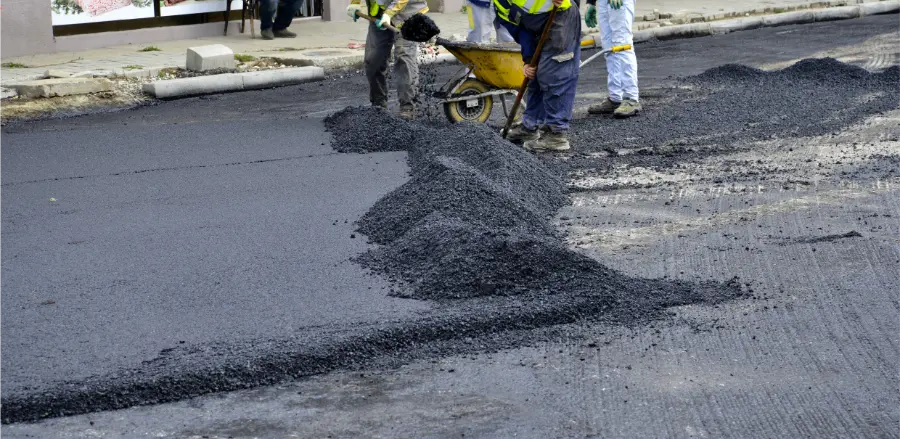
If a driveway repair fails too soon, weather is often part of the problem. A patch may crack, sink, stay soft, or pull away at the edges. These problems can happen even when the repair material is good. Blacktop driveway repair works best when the surface is clean, dry, and at the right temperature. When weather gets in the way, the repair may not bond the way it should.
Common Symptoms
It helps to know what weather damage looks like after a repair. Some signs show up right away. Others take days or weeks to appear. A small issue can turn into a larger one if traffic keeps hitting the same weak spot.
- Patches that stay soft after a warm day
- Cracks reopening after a cold night
- Edges lifting after heavy rain
- Low spots holding water
- Loose stones or rough texture on the surface
- Color changes between old and new asphalt
These signs do not always mean the repair was done badly. Many times, the weather changed the result before the patch had time to set.
Likely Causes
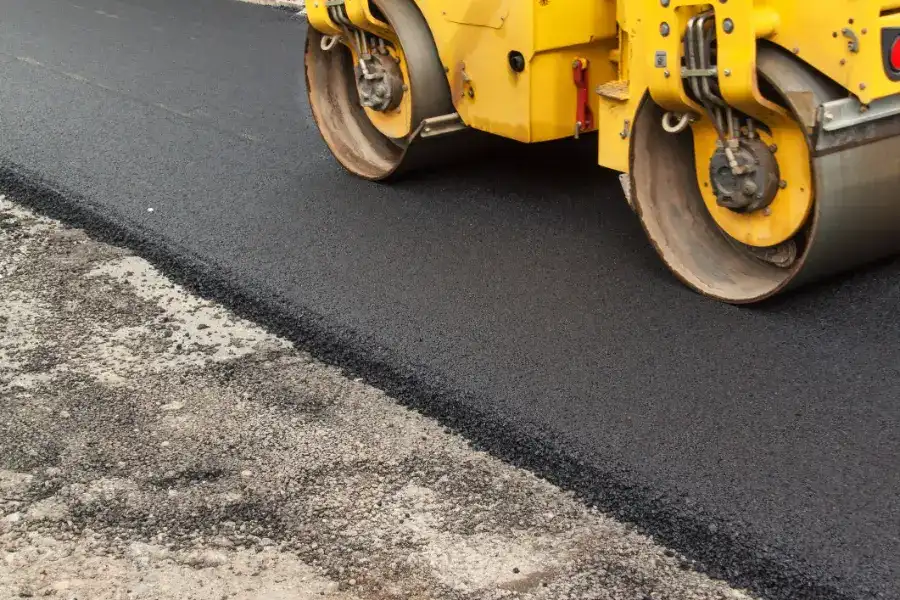
Different weather conditions cause different problems. Rain is one of the biggest issues. If water gets into a crack or pothole before or during a repair, the surface may not dry well enough for good adhesion. The patch can then loosen fast.
Cold weather is another problem. Asphalt materials need enough warmth to stay flexible and form a solid bond. On very cold days, the repair can become stiff too soon. That can lead to weak seams and early cracking.
Hot weather can also create trouble. On a very sunny day, blacktop may become soft. A new patch can shift under car tires before it fully settles. This is common in driveways that get strong afternoon sun.
Humidity matters too. Damp air can slow the curing process. If the surface feels dry on top but is still holding moisture below, the repair may not set evenly. This can affect both short-term appearance and long-term strength. In the service category, weather awareness is a basic part of sound repair planning.
What to Check First
Before starting any blacktop driveway repair, check the site and the forecast. A repair should not begin just because a crack is visible. The condition of the base, the dryness of the surface, and the next day or two of weather all matter.
- Look for standing water or damp spots.
- Check if the area is crumbling around the damage.
- See how deep the crack or hole really is.
- Review the forecast for rain, frost, or extreme heat.
- Watch how much sun the driveway gets during the day.
- Keep cars off the area long enough after the repair.
These simple checks can help you avoid wasting time and materials on a fix that will not last.
Safe Fixes Vs Pro-Level Fixes
Some surface issues can be handled with a small patch or crack filler when conditions are dry and mild. A narrow crack caught early is often a simple job. A shallow dip may also be manageable if the base below is still solid.
But some repairs are better left to a professional crew. Deep potholes, wide cracking, soft base layers, and areas with poor drainage need more than a quick fill. The same is true when the weather has already caused repeat failures. A lasting blacktop driveway repair may need cutting, leveling, compacting, and sealing in the right order.
A pro-level repair also makes more sense when the driveway has damage across several spots. In that case, fixing one crack at a time may only hide a larger issue caused by water or seasonal movement.
Prevention Tips
You cannot control the weather, but you can lower the risk of weather-related damage. Small steps often make a big difference over time. The goal is to keep water out, reduce surface stress, and catch wear early.
- Seal cracks before rain and freezing weather arrive
- Keep the driveway clean so water drains well
- Fix low spots that let puddles sit
- Avoid heavy parking on weak edges
- Do repairs during mild, dry weather when possible
- Watch for new damage after storms or heat waves
Regular care can help repairs last longer. It can also slow down larger damage that costs more time and effort to fix later.
Final Recommendation
Weather should always be part of the repair plan. A dry, mild day usually gives the best chance for strong results. If your driveway has recurring cracks, soft spots, or water trouble, waiting for better weather alone may not solve it. The repair method has to match both the damage and the conditions outside. When timing and materials work together, the finished surface is more likely to hold up through the next season.
Get Help With the Next Step
If you are dealing with driveway damage in Mt. Juliet, TN, we can help you figure out the next step. At IHY Asphalt, we handle blacktop driveway repair with care and attention to weather conditions. Call us at (615) 589-9422 to talk through the problem and set up service that fits your driveway’s needs.